
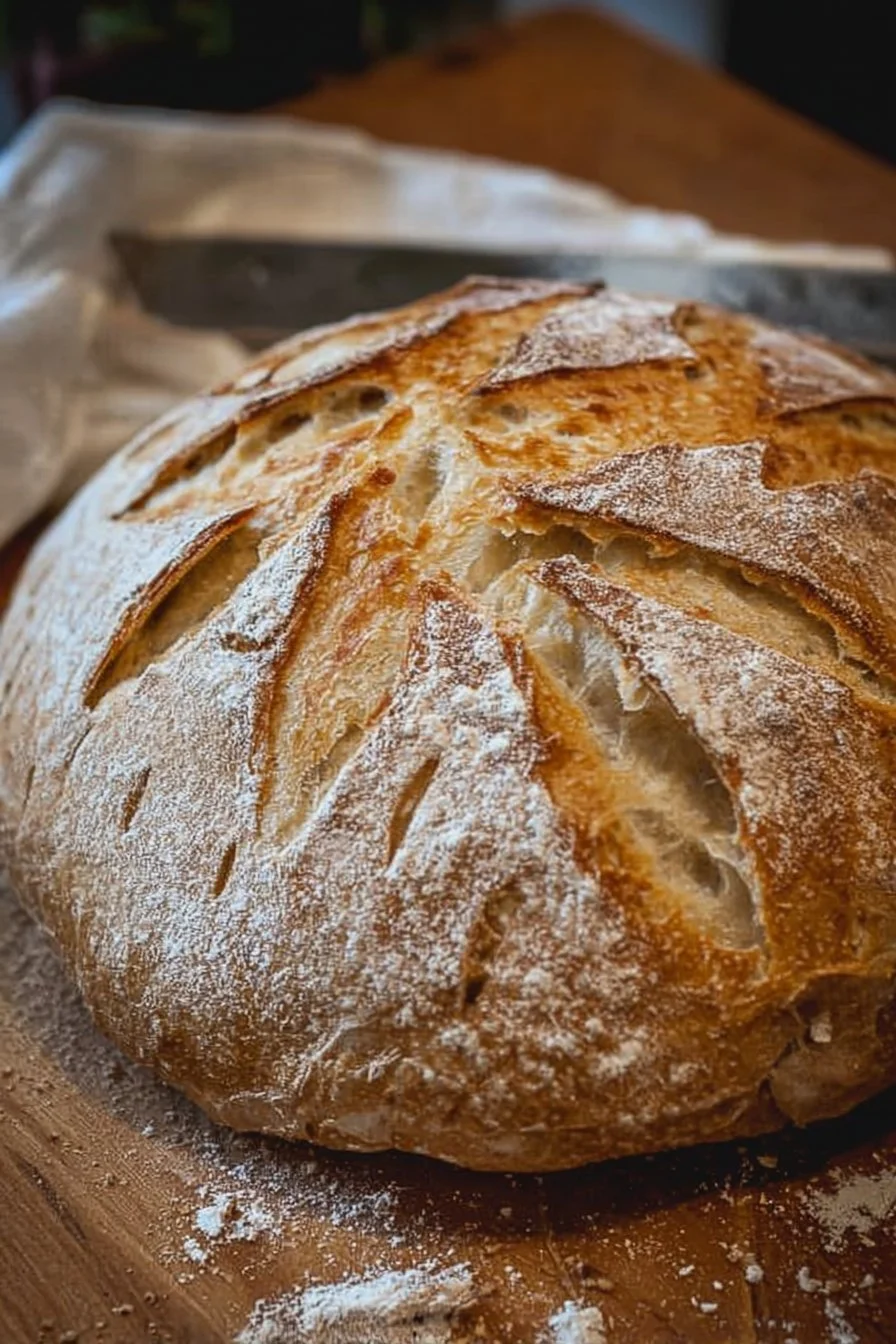
There’s something magical about pulling a freshly baked loaf of sourdough bread from the oven. The aroma fills the kitchen with a comforting warmth, and the moment you slice into it, the crust crackles with a satisfying crunch. This Beginners Sourdough Bread Recipe using the High Starter Method is perfect for those new to sourdough baking. With just a handful of ingredients and a bit of patience, you can create a bakery-worthy loaf at home that just might impress even the most discerning bread lovers.
Why you’ll love this dish
One of the most attractive aspects of this sourdough recipe is its simplicity. You don’t need to be a seasoned baker to achieve delicious results. The High Starter Method creates a tangy flavor and a chewy texture that rivals any store-bought bread. Plus, it’s budget-friendly! You can whip up this delightful loaf for mere cents compared to artisanal bread from your local bakery.
Imagine serving warm, homemade sourdough to friends and family during a cozy weekend brunch or as a show-stopping centerpiece for holiday gatherings. With the satisfaction of making it yourself, this bread is not just food; it’s an experience.
“This sourdough was the best I’ve ever made! The flavor and crust were incredible. I will definitely be making it again!” – Sarah L.
Step-by-step overview
Baking sourdough might seem daunting, but this recipe breaks it down into manageable steps. You’ll start by mixing your active sourdough starter with warm water, then gradually incorporate sifted flour and salt. After some resting and folding, the dough transforms into a beautiful, elastic ball, ready for its final rise and bake.
What you’ll need
To make this scrumptious sourdough bread, gather the following ingredients:
- 2 cups active sourdough starter (400 grams) – Make sure it’s bubbly and frothy for the best results.
- 3 cups sifted all-purpose flour (360 grams) – Sifting helps create a lighter texture.
- 1 cup warm water (240 grams) – Aim for a temperature around 100°F (38°C) to activate the starter.
- 1.5 teaspoons salt (≈9 grams) – Himalayan pink salt is recommended for added flavor.
Feel free to experiment with different types of flour like bread flour or even whole wheat, but keep in mind that it may affect the hydration levels of the dough.
Directions to follow
- In a large mixing bowl (avoid metal), add 2 cups of 100% hydration active sourdough starter.
- Whisk in 1 cup of warm water until well combined.
- Gradually mix in 3 cups of sifted flour and 1.5 teaspoons of salt until the dough takes on a wet, biscuit-like consistency.
- Cover the bowl with a damp kitchen towel and let it rest in a warm place for 2 hours or in a warm oven for 1 hour.
- Begin the first stretch and fold: pick up one side of the dough and fold it over itself. Rotate the bowl and repeat for a total of 4-6 times.
- Cover and let rise for an additional 45 minutes until doubled in size.
- Repeat the stretch and fold process two more times, allowing the dough to rise each time.
- After the fourth fold, shape the dough into a round loaf and place it seam-side up in a floured towel or proofing basket.
- Cover and refrigerate for 4 to 8 hours.
- Preheat your oven to 400°F (204°C) with a Dutch oven inside.
- Turn out the chilled dough onto parchment paper and score the top with a sharp knife.
- Lift the dough into the hot Dutch oven using the parchment paper and cover it with the lid.
- Bake for 25 minutes covered. Then, remove the lid and bake for an additional 25 minutes until golden brown.
- Let cool, slice, and enjoy your homemade sourdough!
Best ways to enjoy it
This sourdough bread is incredibly versatile. Serve it plain with a generous pat of butter, or pair it with olive oil and balsamic vinegar for a delightful dipping experience. It’s fantastic for sandwiches, especially when filled with fresh ingredients like heirloom tomatoes and basil, or as a base for bruschetta. For breakfast, toast slices and top them with avocado, poached eggs, and a sprinkle of salt and pepper.
Storage and reheating tips
To keep your sourdough bread fresh, wrap it in a clean kitchen towel and store it at room temperature for up to 3 days. For longer storage, slice the bread and freeze it in an airtight bag for up to 3 months. Reheat slices in a toaster or wrap the whole loaf in foil and warm it in the oven for a few minutes.
Helpful cooking tips
- Make Sure Your Starter Is Active: A vibrant, bubbly starter is essential for great rise and flavor.
- Temperature Matters: Keeping your dough in a warm spot during rises encourages fermentation, which develops flavor and texture.
- Don’t Skip the Fold: The stretch and fold process is crucial for building gluten structure, leading to that beautiful chewy crust.
Creative twists
Feel free to personalize your sourdough by incorporating herbs, cheese, or seeds into the dough during the mixing phase. For a sweeter version, consider adding dried fruits like cranberries or apricots and spices like cinnamon or nutmeg to create a delightful twist on the classic recipe.
Common questions
Q: What if I don’t have a Dutch oven?
A: If you don’t have a Dutch oven, you can use a baking stone or a heavy baking sheet. Just be cautious of steam – you may need to create steam in the oven with a pan of hot water.
Q: Can I use whole wheat flour?
A: Yes, you can substitute part of the all-purpose flour with whole wheat flour. It will result in a denser loaf, but it’s delicious!
Q: How do I know when my sourdough is ready to bake?
A: The dough should have risen significantly and be puffed up. A poke test – if the indentation bounces back slowly – indicates it’s ready for the oven.
Baking sourdough bread is both an art and a science, and this recipe provides a straightforward way to get started on your sourdough journey. Enjoy the fruits of your labor in the warm embrace of homemade bread!
Print
Beginners Sourdough Bread
- Total Time: 170 minutes
- Yield: 1 loaf
- Diet: Vegetarian
Description
A beginner-friendly sourdough bread recipe using the High Starter Method for a tangy flavor and chewy texture.
Ingredients
- 2 cups active sourdough starter (400 grams)
- 3 cups sifted all-purpose flour (360 grams)
- 1 cup warm water (240 grams)
- 1.5 teaspoons salt (≈9 grams)
Instructions
- In a large mixing bowl, add 2 cups of active sourdough starter.
- Whisk in 1 cup of warm water until well combined.
- Gradually mix in 3 cups of sifted flour and 1.5 teaspoons of salt until the dough takes on a wet, biscuit-like consistency.
- Cover the bowl with a damp kitchen towel and let it rest in a warm place for 2 hours or in a warm oven for 1 hour.
- Begin the first stretch and fold: pick up one side of the dough and fold it over itself. Rotate the bowl and repeat for a total of 4-6 times.
- Cover and let rise for an additional 45 minutes until doubled in size.
- Repeat the stretch and fold process two more times, allowing the dough to rise each time.
- After the fourth fold, shape the dough into a round loaf and place it seam-side up in a floured towel or proofing basket.
- Cover and refrigerate for 4 to 8 hours.
- Preheat your oven to 400°F (204°C) with a Dutch oven inside.
- Turn out the chilled dough onto parchment paper and score the top with a sharp knife.
- Lift the dough into the hot Dutch oven using the parchment paper and cover it with the lid.
- Bake for 25 minutes covered. Then, remove the lid and bake for an additional 25 minutes until golden brown.
- Let cool, slice, and enjoy your homemade sourdough!
Notes
Ensure your sourdough starter is active for best results. Experiment with different types of flour for varied textures.
- Prep Time: 120 minutes
- Cook Time: 50 minutes
- Category: Bread
- Method: Baking
- Cuisine: French