
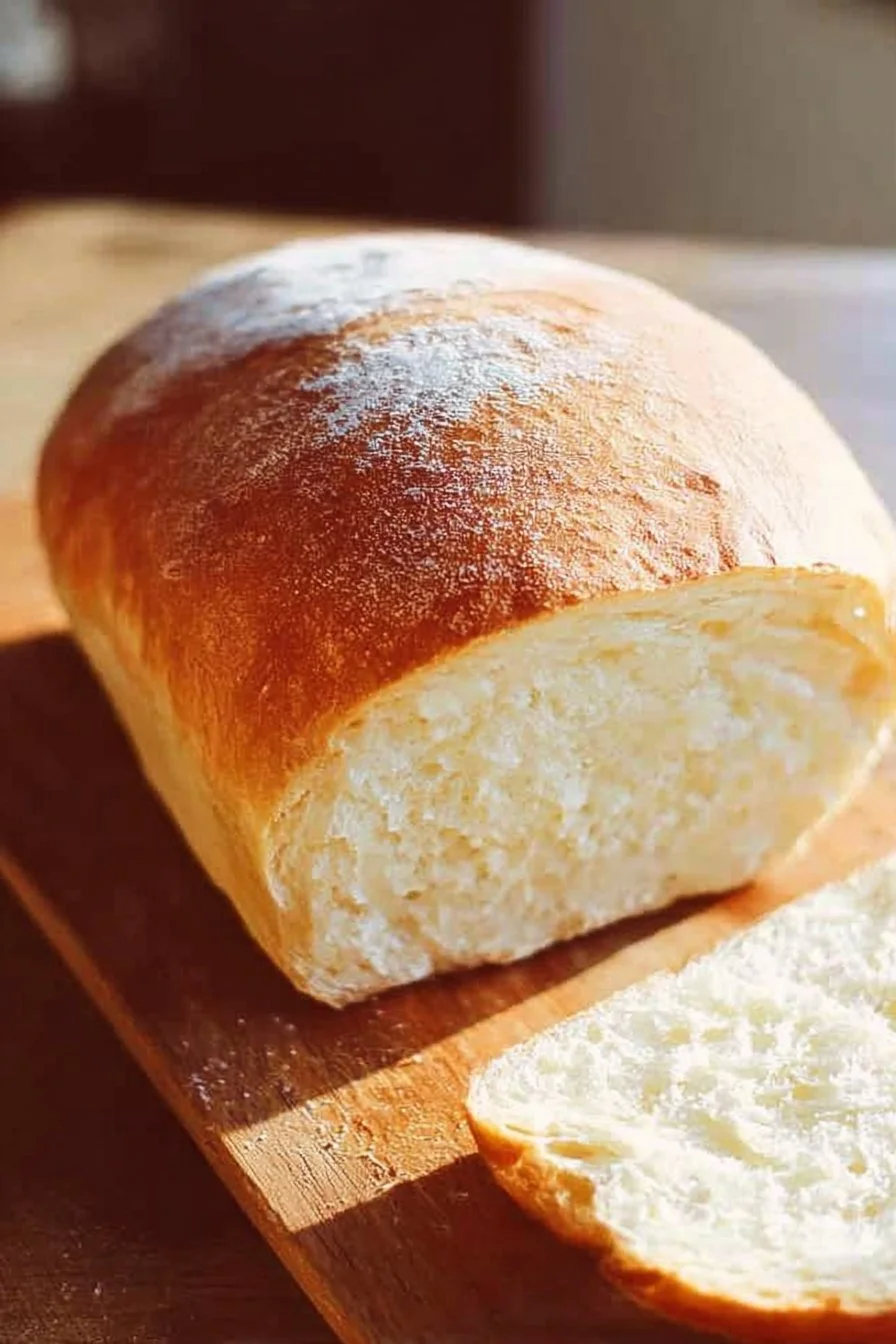
Homemade Bread: The Ultimate Comfort Food
There’s something magical about the smell of homemade bread wafting through the kitchen. It reminds us of simple pleasures, gathering around the table, and sharing delightful moments with loved ones. This homemade bread recipe is not just about filling your belly; it’s about creating a warm atmosphere and bringing people together. Whether you’re looking to impress at a family gathering or simply enjoy a slice with butter for breakfast, this recipe is a must-try.
Why You’ll Love This Dish
Homemade bread has a charm that store-bought options simply cannot match. For starters, it’s budget-friendly and requires common ingredients that you probably already have in your pantry. Plus, there’s something deeply satisfying about kneading the dough and watching it rise! This recipe is perfect for both novice cooks and seasoned bakers alike.
"This homemade bread turned out incredible! I can’t believe how easy and fulfilling it is to make!" – Sarah, a recent fan of home baking.
You can bake this bread for various occasions—a cozy weeknight dinner, a delightful brunch with friends, or even as a thoughtful gift for a neighbor. It’s warm, comforting, and utterly delicious—what’s not to love?
Step-by-Step Overview
Preparing homemade bread might sound daunting, but it’s simpler than you think! This recipe breaks down the process into easy steps, allowing you to create beautiful loaves without feeling overwhelmed.
Here’s a quick look at the process: You’ll combine warm water with yeast to kickstart the fermentation, mix in your dry ingredients, knead the dough, let it rise until fluffy, and then bake it to golden perfection. With just a bit of patience, you’ll have fresh bread that will make your kitchen feel like a bakery.
What You’ll Need
To make this delectable bread, gather the following ingredients:
- 2 cups warm water (105-115°F)
- 1 tablespoon active dry yeast
- 1/4 cup honey or sugar
- 2 teaspoons salt
- 2 tablespoons oil (canola or vegetable)
- 4 – 5 1/2 cups all-purpose or bread flour
Feel free to swap honey for sugar or use whole wheat flour for a healthier twist. Adjust the water based on your flour’s absorption properties, as some flours may require more or less.
Directions to Follow
- In a large bowl or stand mixer, combine the warm water, yeast, and a pinch of sugar or honey. Let this sit for 5-10 minutes until it becomes foamy and bubbly.
- Add the remaining sugar or honey, salt, oil, and 3 cups of flour to the mixture. Stir until everything is combined.
- Gradually mix in another cup of flour. Continue adding flour, 1/2 cup at a time, until the dough pulls away from the sides of the bowl but remains slightly sticky.
- Knead the dough for 4-5 minutes in the mixer (or by hand on a floured surface for 5-8 minutes) until it’s smooth and elastic.
- Grease a large bowl with oil, place the dough inside, and turn to coat. Cover with a towel or plastic wrap and let it rise in a warm place until it doubles in size, which usually takes about 1.5 hours.
- Generously spray two 9×5" bread pans with cooking spray and optionally line the bottoms with parchment paper.
- Once risen, punch down the dough to release air bubbles. Divide it into two equal pieces, shaping each into a loaf, and place them in the prepared pans.
- Cover the pans with a towel or oiled plastic wrap and let them rise again for 45 minutes to 1 hour, until they’re around 1 inch above the pan’s edge.
- Preheat your oven to 350°F. Bake the loaves for about 30-33 minutes until golden brown. The tops should sound hollow when tapped.
- Invert the loaves onto a wire rack and brush the tops with butter. Allow them to cool for at least 10 minutes before slicing.
Best Ways to Enjoy It
What’s better than a slice of warm, homemade bread? Enjoy it slathered with butter, paired with your favorite jam, or as a supporting player in a hearty sandwich. Try serving it alongside a steaming bowl of soup or a fresh salad for a complete meal. You could also tear it into pieces for a fun bread basket at your next gathering, letting guests indulge as they please.
Storage and Reheating Tips
To keep your leftover loaf fresh, wrap it in plastic wrap or aluminum foil and store it at room temperature for 2-3 days. For longer storage, you can freeze the loaves after they’ve cooled completely. Wrap them tightly in plastic wrap and then in aluminum foil. They can last for up to three months in the freezer. When you’re ready to enjoy, thaw overnight in the fridge and reheat in the oven at 350°F for about 10-15 minutes.
Helpful Cooking Tips
- Make sure your water temperature is just right; too hot can kill the yeast, while too cold won’t activate it.
- Kneading dough is crucial; it develops the gluten which gives the bread its structure and chewiness.
- Experiment with herbs or spices when you add the flour for a unique flavor profile—consider rosemary, thyme, or garlic powder!
Creative Twists
This recipe offers a fantastic base for creativity. Try adding nuts, seeds, or dried fruits for an interesting texture and flavor. You could also experiment with whole wheat or alternative flours for a different taste. Consider topping your loaves with sesame seeds or oats before baking for a rustic finish.
Your Questions Answered
What is the prep time for this homemade bread recipe?
The active prep time is about 20-30 minutes, but you’ll need to factor in rising time, which can take about 2-2.5 hours in total.
Can I use instant yeast instead of active dry yeast?
Yes, you can substitute instant yeast for active dry yeast. Just add it straight to your dry ingredients and skip the proofing step with warm water.
How long can I store homemade bread before it goes bad?
When stored properly, homemade bread can last 2-3 days at room temperature and up to 3 months in the freezer. Just ensure it’s well wrapped to maintain freshness!
Embrace the joy of baking with this homemade bread recipe, and enjoy the delightful aroma and taste of freshly baked loaves right from your own kitchen!